Rooks
of Glenbower Wood

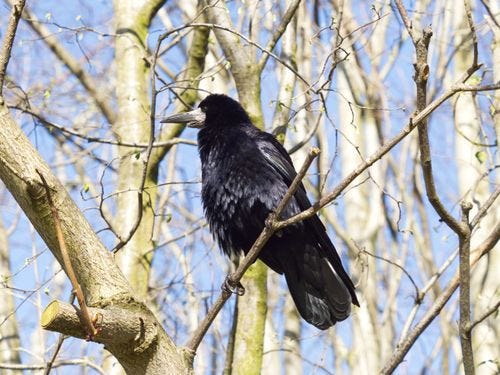
It’s loud crossing into the Glenbower Wood in Killeagh, Ireland. Rooks screech from a colony of nests high in branches overlooking the road that transitions from parking area to trail head. They do not twitter a gentle ditty or chirp a melodic song or coo a mournful ode. They spread their wide wingspan and shriek a raucous tempest at the threshold, as if gatekeepers of the woods, reminding me what I’m leaving behind when I enter the green, cushioned understory.
The soft paths mark a departure from noise. I walked under the rooks to enter the woods every day for two weeks during my recent writing residency at Greywood Arts, which was just down the road from Glenbower Wood. Early May is wild garlic season, and white blossoms covered the forest floor, filling the air with a crisp, savory smell. I looked up to Oak, Alder, Rowan, and Hazel branches. It was a break from my regular work routine and a deliberate shift to sense and create.


Here are some field jottings from my pauses along the way.
I pass a curled-up fern, its head tucked, and I feel this way: unsure of how to tell the stories I want to write. I know I want to respond with some sense of control, like opening to light, like singing. I touch the river’s black and silver stripes. I cross a bridge. I see a bolt of green and yellow cloth someone has wound around a branch to look like a dragon, and a bundle of vines woven to look like a deer head.


I am not alone here. Three young boys ride their mountain bikes. One of them forces a skid to test his balance. One hops off and, with a spade, packs mud into a ramp for extra challenge. They look barely thirteen and are pumped for risk. I step aside to let them pass. Later, I sit at a picnic table at the edge of the woods near the rook colony; the boys and bikes emerge. I see their mother race into the parking lot before they see her.
“Take off your shoes,” she says, loud like a rook. She is tight-muscled in her leggings, and she wrangles their bikes onto a rack sticking off the back of her SUV. The bike wheels are caked with mud. The boys jump in the car, shoes on, helmets on, and they all slam doors before the mother speeds off. I smile at how lucky they are: the independence of riding bikes on bumpy paths, the care of the mother who gives and collects freedom, their days cushioned in the woods before voices will deepen and crack.


I walk further into a darker part of the woods to get to “Fainin’s Well.” It’s up a hill and through a thicket. I know I arrived because of the clearing—a circle of Rhododendrons around a mossy ring. I find the stones I read about. The Bullaun Stone has a carved bed to hold water. The water is stagnant and green, so I don’t touch it, like you’re supposed to, for luck or a blessing or to cure warts. The Mass Rock has a carved rectangle where a wooden cross would have been lodged for secret prayer gatherings when Cromwell banned Catholic services in the mid-seventeenth century. I stand here. A robin whistles in soprano while a Common Chiffchaff calls out chiff-chaff, chiff-chaff.


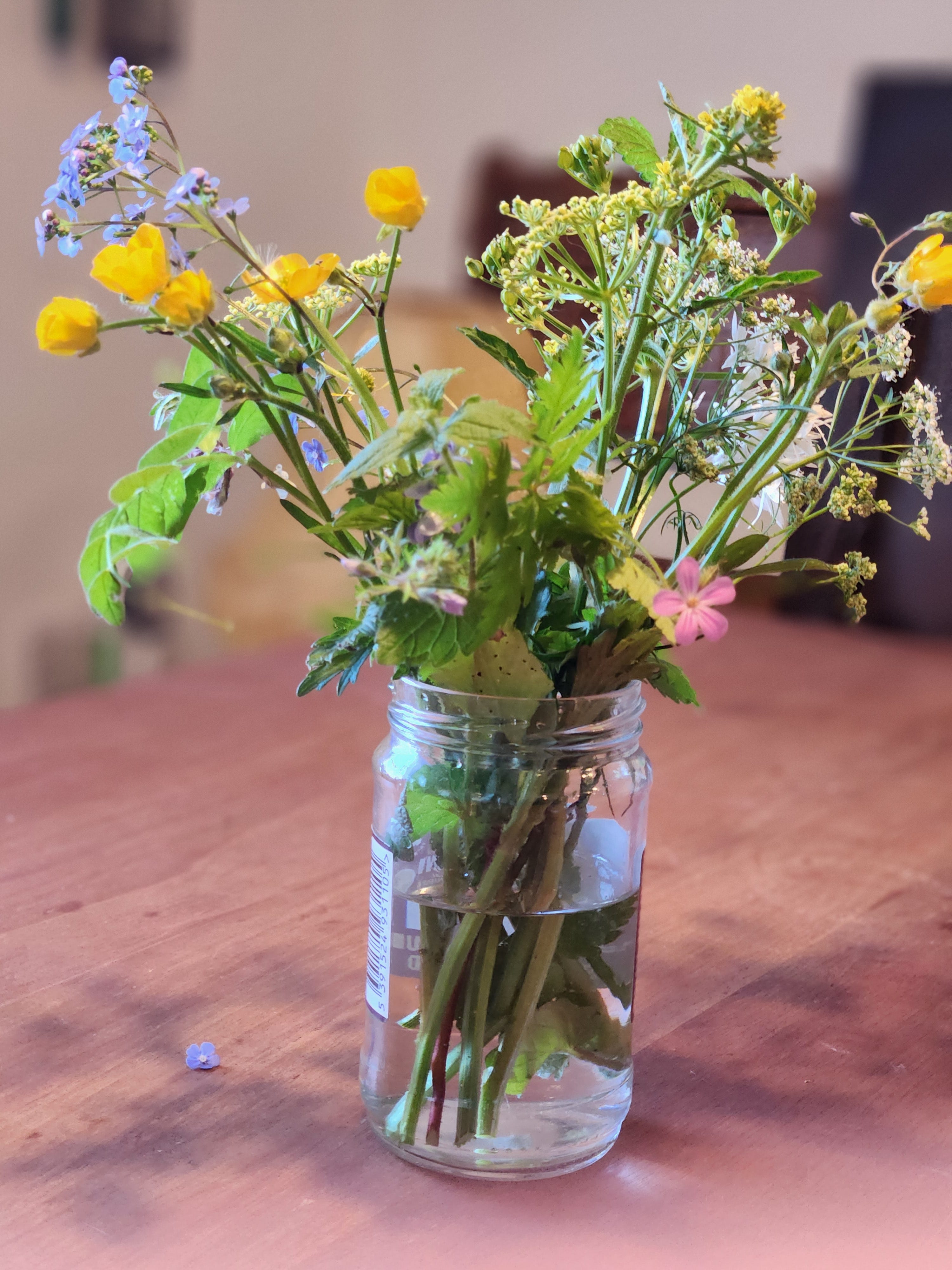
Leaving the woods with a handful of wildflowers, I pass under the raucous spring rookery again. Rooks are smart birds like their relatives: crows, jackdaws, and ravens. They count, plan, and hold grudges. Rooks wear a signature white ring around their beaks, like a holy collar on their shiny black cloaks. I thank them for their strategic riot before I return to my writing desk and the kitchen table. I thank the woods for their protection of sacred sensitivities.